Stretching Massage Therapy: Sports Massage vs Deep Tissue for Athletic Recovery
By Bodiology - Therapeutic Massage | August 12, 2026
A lot of people tell me my work has “released so much tension” in their back and they can “move around more” afterward, and that matters when you are trying to train consistently in Tempe. Here’s the bottom line. If you’re training, competing, or recovering from workouts, Sports Massage is usually the better choice because it’s oriented to performance, circulation, and mobility. Pick Deep Tissue when you’re dealing with long-standing, localized adhesions or chronic postural pain that needs slow, deep pressure.
If you’re running Tempe Town Lake loops, lifting, playing intramurals at ASU, or stacking long shifts with training, the question isn’t “which massage is better.” It’s which one fits the job today. Heat and dry air change recovery too. Hydration, timing, and how sore you can afford to be the next day all play into the choice.
Sports Massage and Deep Tissue are not the same tool
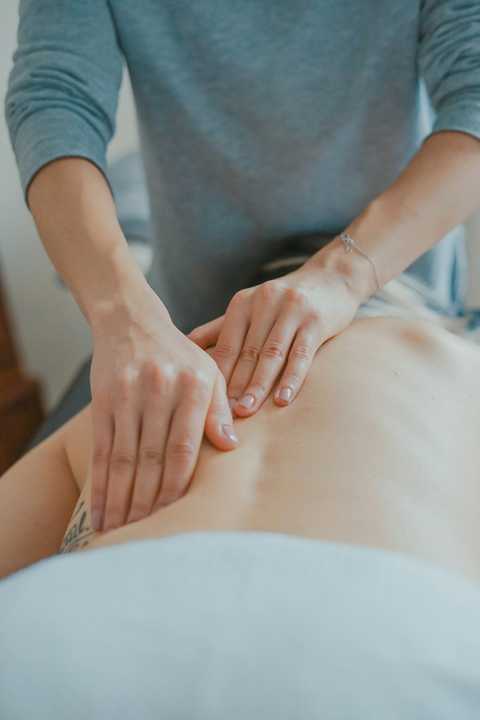
Sports Massage is geared toward preventing and treating sports-related injuries, and it emphasizes flexibility and mobility. In real terms, I’m looking at how you move and what your training is asking of your body right now. I use a mix of techniques and pacing, often including stretching massage therapy work that helps you feel looser and more coordinated, not just “worked on.”
Deep Tissue is different. The aim is slow, sustained pressure into tighter layers that have been holding for a long time. People who love deep tissue usually want someone who can “dig” into knots and stubborn spots and stay there long enough to change them. That can be a great choice. It also tends to come with more intensity, and sometimes next-day tenderness.
Quick clarity: Sports Massage is usually about mobility and recovery around training. Deep Tissue is usually about changing a chronic, specific restriction that has been building for months or years.
Trade-offs that actually matter: soreness, speed, and staying in your training
If you want to keep training, Sports Massage tends to fit better. A lot of people come in tense and leave “relaxed and recharged, ” and that’s not just a vibe. When your nervous system settles, your range of motion usually opens up and your body stops bracing. That’s why Sports Massage is a go-to before an event (to wake things up without wiping you out) and after an event (to help circulation and recovery).
Deep Tissue wins when the problem is very specific and very stuck. If you’ve got that one shoulder knot that’s been there for weeks, or a chronic area that keeps pulling you back into the same posture, slow focused pressure can be the right call. People who like it often describe it as “hurts so good.” That’s real, and I’m honest about it. Deep work can leave you sore, so it’s often smarter to schedule it when you can recover, hydrate, and not jump straight into a hard workout in the Tempe heat.
Comfort matters too. Sports Massage can be firm, but it’s usually more active and responsive. I check in, I talk through concerns, and I stay focused on the areas you tell me are tense or hurting while keeping you comfortable. Deep Tissue can absolutely be done with care, but the whole point is sustained pressure, so it can feel intense by design.
A lot of my regulars do best with a simple plan: Sports Massage as maintenance for mobility and recovery, then an occasional Deep Tissue session to tackle the stubborn adhesions that don’t let go easily. If you want more context on timing, I wrote a separate guide on post-run muscle soreness and sports massage and a practical read on sports massage aftercare.
“This was seriously life changing. I needed it on my knee so bad and she helped my pain go away instantly.”
one of my first-time visitors
A simple way to choose in Tempe: what do you need tomorrow?
Pick Sports Massage if you’re trying to keep your legs and hips moving freely, you’ve got that post-run calf or IT band soreness, or you just feel “stuck” after training. It’s also a strong choice if you’re commuting into Phoenix and your neck and shoulders are paying the price, because we can work the tension without leaving you feeling like you got hit by a truck.
Pick Deep Tissue if your main issue is a long-standing, localized knot or adhesion and you can handle a more intense session and possible next-day soreness. Deep work can be a great reset, but it’s not always the best right before a race, a heavy lift, or a hard practice.
If you’re not sure, I’ll help you choose when you book. I’m not attached to a label. I’m attached to you feeling better and staying consistent.
Why people come to me at Bodiology for Sports Massage (and keep coming back)
I work with a lot of people who have tried “generic” massage and still feel tight. What they tell me they notice here is the thoroughness and the communication. I answer questions, I check in on pressure, and I stay focused on the areas you actually care about. My studio is private, and people appreciate not sitting in a waiting room with other people when they’re already stressed or in pain.
If you like add-ons that support recovery, I also incorporate cupping when it makes sense, and some clients specifically seek me out for that. And if you’re near Southern Tempe, the edge of Downtown Tempe by Mill Avenue, or the ASU campus, it’s an easy stop to work recovery into your routine. I also see people from Chandler, Mesa, Phoenix, Scottsdale, and Guadalupe.
Want to get practical about timing and results? Start with how long sports massage lasts, then browse massage therapy services in Tempe. When you’re ready, call or email and tell me what you’re training for and what’s bothering you most. I’ll point you to Sports Massage, Deep Tissue, or a smart mix.
Next step: Share what you’re training for, where you feel it (calves, hips, shoulders, low back), and when your next hard session is. I’ll help you book the right fit.
201 E Southern Ave, suite 105, Tempe, AZ 85282-5138 | Call: +14804485280 | Email: bodiologylmt@gmail.com
Sports Massage vs Deep Tissue FAQs for athletic recovery
What’s the difference between sports massage and deep tissue massage?
Sports Massage is geared toward preventing and treating sports-related injuries, with an emphasis on flexibility and mobility. Deep Tissue focuses on slow, sustained pressure to address long-standing tightness and localized adhesions. If your goal is athletic recovery and staying mobile, Sports Massage is usually the better match.
Should I get a sports massage before or after a race?
Both can make sense. Before a race, I keep it lighter and more active so you feel loose and ready, not wiped out. After a race, I focus on calming tight areas and supporting circulation and recovery. In Tempe heat, I’ll usually suggest you hydrate well and give yourself a little buffer time after the session.
How long does a typical sports massage session last?
Session length depends on what we’re working on and how many areas need attention. A shorter session can target one problem area, while a longer session gives me time to address patterns that affect performance and mobility. If you want help picking a length, tell me your sport and what feels limited.
Will a sports massage make me sore the next day?
Sometimes, yes, especially if we do deeper work on very tight tissue. Sports Massage is often less “next-day sore” than a heavy Deep Tissue session because it’s more focused on movement, circulation, and mobility. If you need to train the next day, tell me and I’ll keep the work aligned with that.
Can sports massage help with a pulled hamstring or IT band pain?
Sports Massage is geared toward preventing and treating sports-related injuries, and it can be helpful for mobility limits and training-related tightness around the hamstrings and the outer thigh. I’ll focus on flexibility and mobility so you’re not fighting your body every step. If you’re in sharp pain or suspect a significant tear, let me know what happened and how it feels so I can guide the session safely.