Post-Run Muscle Soreness? How massage and therapy with Sports Massage helps recovery in Tempe
By Bodiology - Therapeutic Massage | July 6, 2026

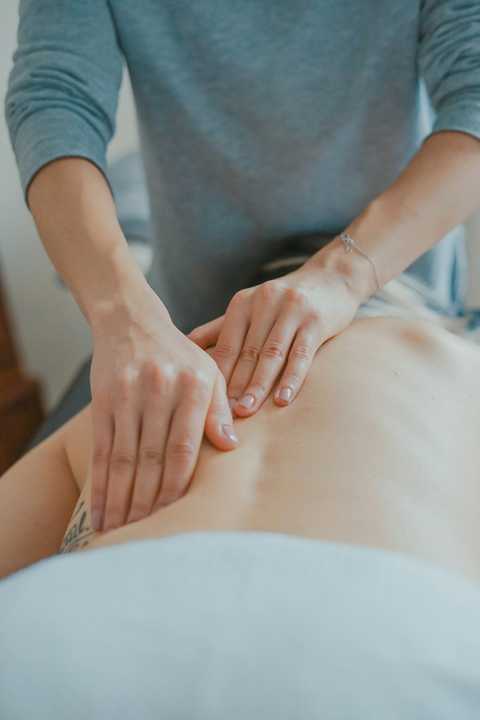
Sports Massage at our Tempe studio is built to promote flexibility and mobility and help prevent and treat sports-related issues, and yes, it can absolutely help with post-run muscle soreness when you’re using it for recovery (not an acute injury). The goal isn’t to “fix you in one session.” It’s to calm down that heavy, tight feeling in your calves, quads, hips, and hamstrings so you can move better and get back to training with less drag.
Timing matters. For most runners, the sweet spot is usually 24 to 72 hours after a hard run, or a lighter tune-up before an event to open up range of motion. If something is hot, swollen, or sharply painful, pause and get medical clearance first before we do deep work.
Post-run DOMS in Tempe heat feels different, and your body tells on you
That stiff, “my legs are made of wood” feeling a day or two after a run is often delayed-onset muscle soreness (DOMS). It’s common after hills, speed work, long runs, or any jump in volume. And in Tempe, the heat and dry air can stack the deck. Dehydration tends to show up as cramping, extra tight calves, and a stride that just doesn’t feel smooth.
We see a lot of runners who train around Tempe Town Lake and Papago Park, plus the ASU running community and people living near Downtown Tempe and Mill Avenue. The pattern is usually the same. You’re staying consistent, you’re not injured, but your legs stop bouncing back as quickly. That’s exactly where Sports Massage fits.
How Sports Massage helps soreness: tight calves, heavy quads, cranky hips
Sports Massage isn’t just “more pressure.” Our therapists use it to target the muscle groups that take a beating when you run, then help your body get back to normal movement patterns. When muscles stay tight, they can pull on joints and limit range of motion. That’s when your stride feels shorter, your hips feel stuck, or your calves feel like they’re doing all the work.
Quick rule we use in-session: if you’re in that 24 to 72-hour post-run window, we usually focus on easing tenderness and restoring movement first. If you’re coming in pre-event, we keep it lighter and more mobility-based.
What we actually work on (and why it matters)
Post-run soreness often sits in predictable places: calves and feet (push-off), quads (downhill and speed), hamstrings (late swing and fatigue), and hip flexors and glutes (stability). Your therapist will check how those areas feel under pressure and how freely you’re moving, then we’ll choose techniques that make sense for that day. Sometimes that means slower, focused work to release stubborn tightness. Sometimes it means more flushing strokes to help reduce that heavy, congested feeling.
“My legs felt lighter and I finally had my normal stride back.”
, a recent first-time visitor
Does it speed recovery, or just feel good?
Most runners come in for one of two reasons. They want less soreness after hard efforts, or they want to keep small tightness from turning into a bigger issue. Sports Massage helps by reducing muscle guarding and improving how well tissues glide, which often makes your range of motion feel more open. That can make your next run feel smoother.
Here’s the honest part. If you’re ramping mileage fast, sleeping poorly, or training through constant pain, massage and therapy won’t replace a smart plan or physical therapy. But as part of a recovery routine, it’s one of the easiest ways to get your body out of that tight, protective mode.
Is Sports Massage right for you, or do you need something else first?
Sports Massage is a strong fit if you run regularly, you’re dealing with normal post-workout soreness, and you want your calves, hamstrings, and hips to stop feeling so tight between sessions. It also works well for cyclists and weekend athletes who want mobility without taking time off training.
It’s not the right move if you suspect a fracture, a rupture, a deep infection, or you have an acutely inflamed injury that’s hot and swollen. In those cases, get cleared by a clinician first. For stubborn pain that isn’t changing, physical therapy is often the better next step and we’re happy to coordinate once you have guidance.
Why runners in Tempe come back to our massage therapist massage team
We’ve been doing this work in Tempe for 5 years, and our Sports Massage starts with listening, not guessing. Tell us what your training week looked like, what’s sore, and what you need out of your next run. Then we’ll match the session to that goal.
“I keep coming back because they actually listen and work the problem areas.”
, one of our regulars
If you’re balancing training with real life in Downtown Tempe, near Mill Avenue, or around ASU, we get it. Summer heat changes recovery. Hydrate after your session, keep movement gentle, and skip a hard workout for about 24 hours after deeper work.
Want help deciding timing and pressure? Reach out and tell us your next long run or race date. We’ll point you toward a pre-event tune-up or a post-run recovery session that makes sense.
If you’d like a broader look at options beyond Sports Massage, read our massage therapy services in Tempe.
Looking for a sport masseur for recovery work? Let’s map it to your training week
Sports Massage starts at $100. If you tell us what you’re training for and what’s sore right now, we’ll recommend a session style and timing that supports your recovery without leaving you wrecked.
Tip for trust and transparency: we recommend listing Arizona massage license numbers and any therapist certifications on the site so you can verify credentials at a glance.