

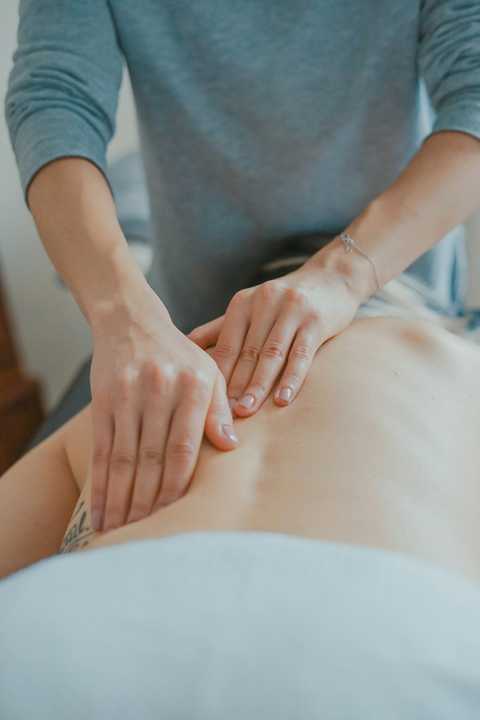
Sports Massage Gallery
$$MultiPurposeText$$
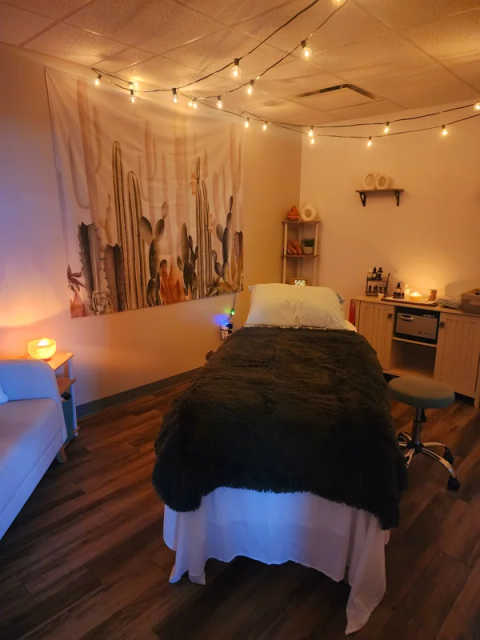
See examples of our Sports Massage work and results.

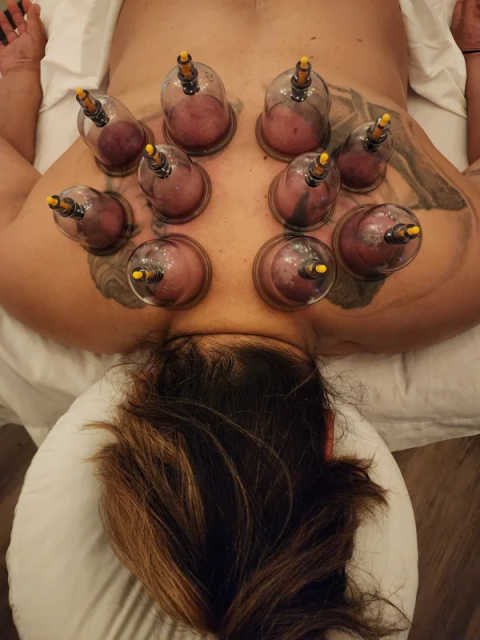
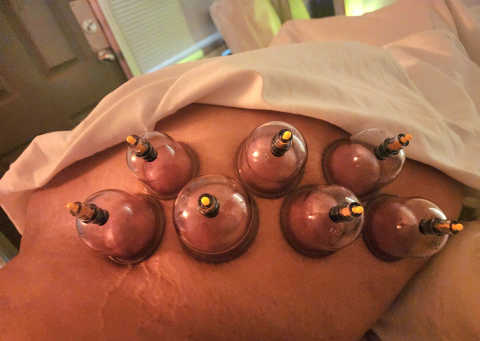
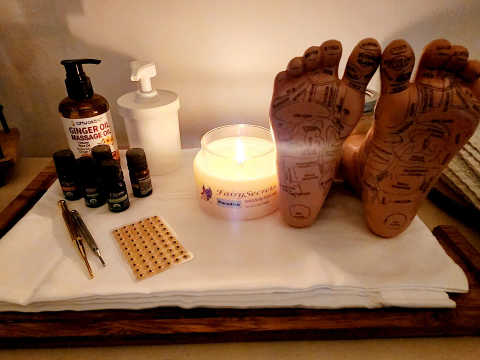



What Our Clients Say
$$MultiPurposeText$$
Read testimonials from our satisfied customers

Sammi has been amazing, I’ve been going to her for about a month now and her massages have...more

Sam does a wonderful job I love her deep tissue massage and she’s not afraid to get in the...more

Samantha is great at therapeutic massage. If you want someone who can really get in there ...more

Samantha is dope! First you go ouch! Then you go aaaaah! Her two hour massages hurt soooo ...more

Folks, let me tell you if you're going somewhere else for a massage you are wasting your m...more

What a gem. Best massage I've had in a while. Perfect blend of body &energy work

Frequently Asked Questions
Get answers to common questions about Sports Massage.
Your therapist will assess movement, discuss goals and any injuries, then apply techniques like deep tissue work, active release, and targeted stretching tailored to your sport. Sessions often include warm-up or recovery strategies plus take-home mobility and self-care recommendations.
Frequency depends on training load, recovery needs, and goals. Competitive athletes may benefit from weekly sessions, while recreational exercisers can start biweekly or monthly. Your therapist will recommend a plan combining maintenance, pre-event, and post-event care for optimal injury prevention and performance.
Some techniques can feel intense when addressing tight or injured tissue, but therapists respect your pain threshold and adjust pressure. Communicate openly; manageable discomfort is common, but sharp or worsening pain should be reported immediately to ensure safe, effective care.
Yes. By addressing imbalances, improving flexibility, and optimizing movement patterns, sports massage reduces strain on vulnerable tissues. Therapists design sport-specific programs focusing on high-risk areas and technique, combined with conditioning and stretching recommendations to minimize recurrence.
For peak performance, book a lighter pre-event session 24-48 hours before competition and a restorative post-event session within 24-72 hours after intense activity. Regular maintenance should be timed during lower training loads to support recovery and adaptation.
Certain acute injuries, infections, uncontrolled hypertension, deep vein thrombosis, or recent surgery may preclude treatment. Always disclose medical history, medications, and symptoms during intake. Therapists will modify or defer sessions and coordinate with your healthcare provider when necessary.
Read more about Sports Massage
$$MultiPurposeText$$
Explore our latest insights and guides on Sports Massage.

Read more about Sports Massage
$$MultiPurposeText$$
Explore our latest insights and guides on Sports Massage.
