


Deep Tissue Massage Gallery
$$MultiPurposeText$$
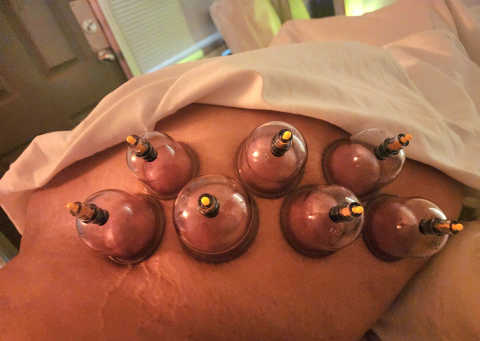
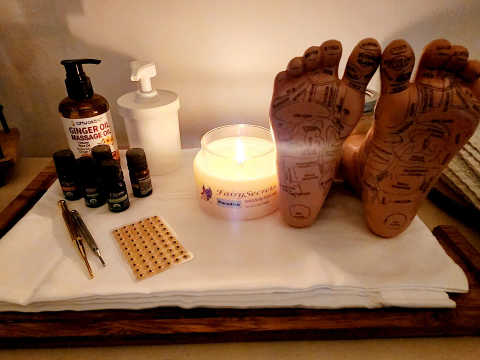
See examples of our Deep Tissue Massage work and results.






What Our Clients Say
$$MultiPurposeText$$
Read testimonials from our satisfied customers

Sammi has been amazing, I’ve been going to her for about a month now and her massages have...more

Sam does a wonderful job I love her deep tissue massage and she’s not afraid to get in the...more

Samantha is great at therapeutic massage. If you want someone who can really get in there ...more

Samantha is dope! First you go ouch! Then you go aaaaah! Her two hour massages hurt soooo ...more

Folks, let me tell you if you're going somewhere else for a massage you are wasting your m...more

What a gem. Best massage I've had in a while. Perfect blend of body &energy work

Frequently Asked Questions
Get answers to common questions about Deep Tissue Massage.
A Deep Tissue session involves slower, firmer strokes and focused pressure on tight areas. You may feel discomfort as adhesions release; therapists adjust pressure to your tolerance. Expect some post-treatment soreness, increased mobility, and personalized aftercare recommendations.
Yes, often — but it depends. Your therapist will review health history, current pain, and preferences to tailor pressure and technique. New clients may begin with lighter pressure and progress over sessions. Certain conditions require medical clearance or alternative approaches.
Duration varies by condition, severity, and self-care. Many clients feel immediate reduced tension lasting days to weeks. Chronic issues often need a series of sessions plus stretching, hydration, and ergonomic changes for longer-lasting benefits and maintenance treatments.
Some pressure and discomfort are common as tight tissue releases, but it should not be unbearable. Communicate continuously—therapists modify intensity to your comfort. Post-treatment soreness can occur but typically resolves within a day or two with proper hydration and rest.
Yes. Active infection, fever, recent surgery, uncontrolled hypertension, deep vein thrombosis, certain skin conditions, and severe osteoporosis can be contraindications. Pregnancy requires specialized approaches. Always disclose medical history; your therapist will screen for risks and may recommend physician clearance when necessary.
Hydrate well, avoid heavy meals and intense exercise right before your appointment, and arrive a few minutes early. Share health history, pain areas, and comfort levels with your therapist. Plan rest time after and follow recommended at-home stretches or hydration.
Read more about Deep Tissue Massage
$$MultiPurposeText$$
Explore our latest insights and guides on Deep Tissue Massage.


Read more about Deep Tissue Massage
$$MultiPurposeText$$
Explore our latest insights and guides on Deep Tissue Massage.


How Long Deep Tissue Massage Relief Lasts (and How to Make It Stick)
Published On: July 20, 2026
