

Cupping For Athletes Gallery
$$MultiPurposeText$$
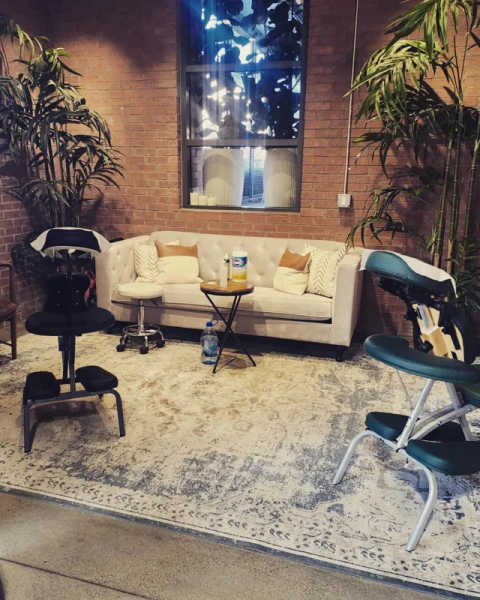
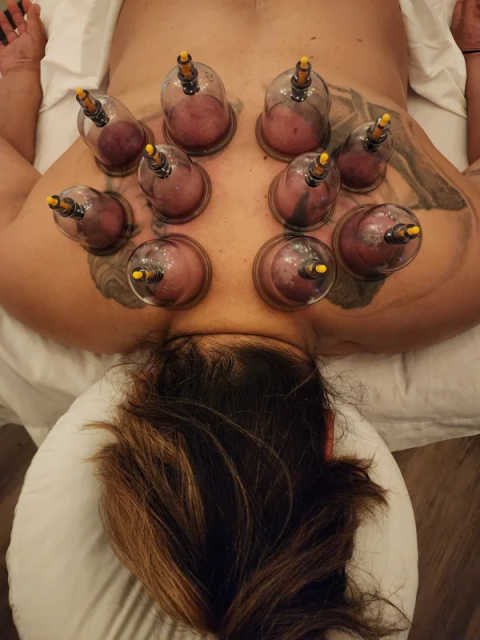
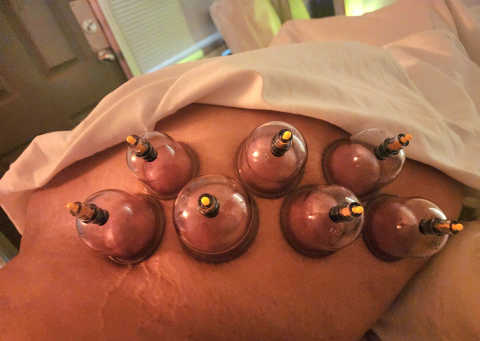
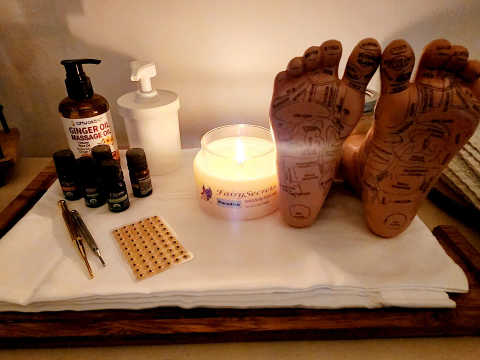
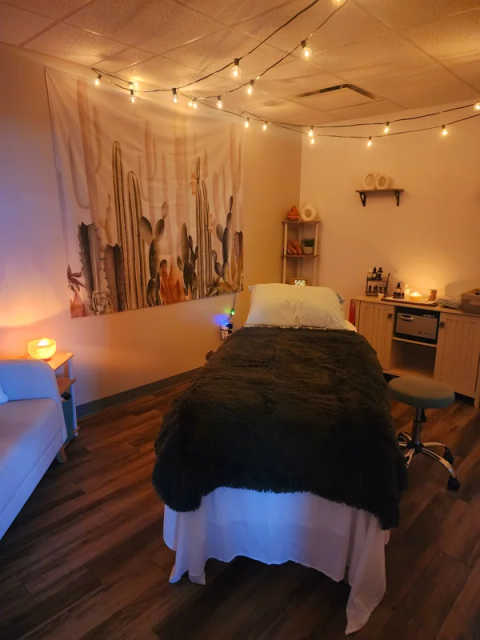
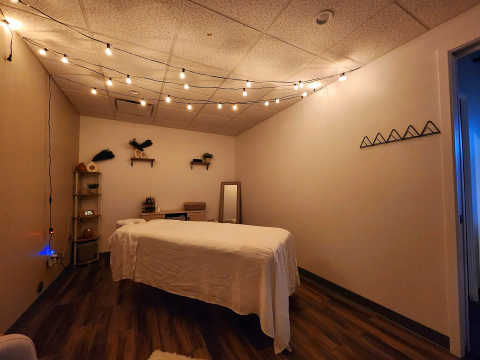
See examples of our Cupping For Athletes work and results.


What Our Clients Say
$$MultiPurposeText$$
Read testimonials from our satisfied customers

Can safely say it has been the BEST cupping service I have gotten. Very considerate, kind,...more

I was looking for someone that does cupping and I stumbled upon Samantha, and I am so glad...more

Sam is an absolute professional. I love that she offers cupping and scraping too without a...more

...more
Frequently Asked Questions
Get answers to common questions about Cupping For Athletes.
Cupping increases circulation and lymphatic drainage through suction, helping flush metabolic waste, reduce inflammation, and soften tight tissues. These effects accelerate repair processes and decrease soreness, allowing faster return to training when combined with proper rest and conditioning.
Yes — when performed by a trained therapist who adapts pressure and timing to your schedule. We'll avoid areas with injuries, open wounds, or anticoagulant concerns, and recommend session timing that won't interfere with peak competition performance.
Cupping often leaves circular marks, which are not bruises but temporary discoloration from increased blood flow. They typically fade within several days to two weeks, depending on intensity and individual circulation. Lighter techniques reduce marking while still delivering therapeutic benefits.
Frequency depends on training load, injury history, and goals. Many athletes benefit from weekly sessions during heavy training, or biweekly maintenance visits. Your therapist will design a plan that complements conditioning, recovery, and competition timing for optimal results.
Regular cupping can reduce chronic tension, improve joint mobility, and address muscular imbalances that contribute to injury risk. Combined with strength work, mobility drills, and proper load management, it becomes an effective part of an injury-prevention program.
Expect a brief intake to discuss goals, targeted areas treated with dry or sliding cupping, and 20–40 minutes of focused work. Sessions include manual adjustments, feedback checks, and post-care advice like hydration and gentle stretching to maximize results.