

Restore Mobility and Release with Cupping Therapy
Using negative pressure cupping to lift soft tissues, relieve pain, increase circulation, and accelerate recovery for lasting functional improvements.
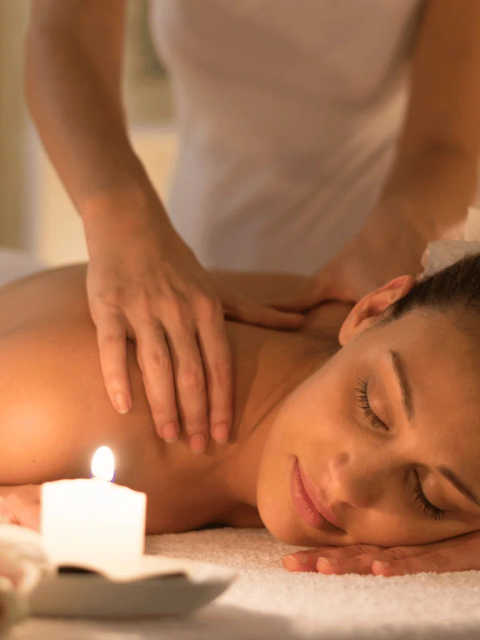
Explore Our Cupping Therapy Services
$$MultiPurposeText$$
Targeted options for athletes and general clients to reduce pain and improve mobility.
Cupping For Athletes
$150.00Designed specifically for athletes, this service enhances performance and speeds recovery through specialized cupping techniques tailored for muscle relaxation and enhanced circulation post-workout.
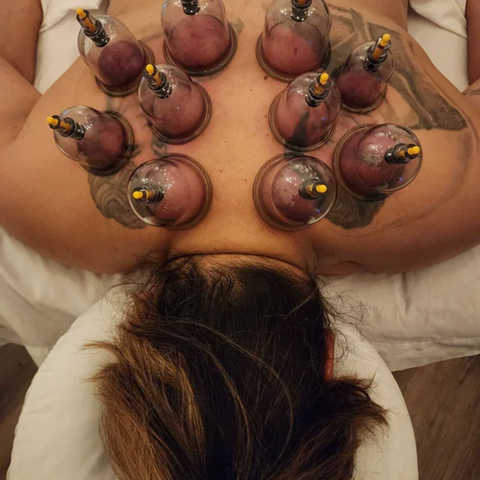
Cupping Therapy
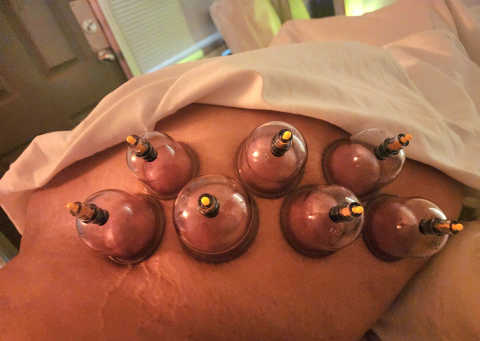
$100.00Cupping therapy involves creating suction on the skin to promote blood flow, relaxation, and relief of muscle tension.
Why Choose Our Cupping Therapy
$$MultiPurposeText$$
Skilled therapists use modern cupping to safely release tension and support healing.
Clinically Informed Techniques
Therapists apply cupping based on current research and clinical experience to maximize safety and therapeutic outcomes.
Custom Treatment Plans
Personalized session plans target specific injuries, mobility limits, and athletic goals for faster, sustainable recovery and performance.
Sports and Athlete Care
Specialized cupping for athletes reduces muscle tightness, speeds healing, and supports pre- and post-event recovery strategies.
Comfortable Safe Environment
Clean equipment, clear communication, and gentle techniques ensure client comfort while delivering effective soft-tissue release and improved circulation.
What Our Clients Say
$$MultiPurposeText$$
Read testimonials from our satisfied customers

Can safely say it has been the BEST cupping service I have gotten. Very considerate, kind,...more

I was looking for someone that does cupping and I stumbled upon Samantha, and I am so glad...more

Sam is an absolute professional. I love that she offers cupping and scraping too without a...more

...more
Our Gallery
$$MultiPurposeText$$
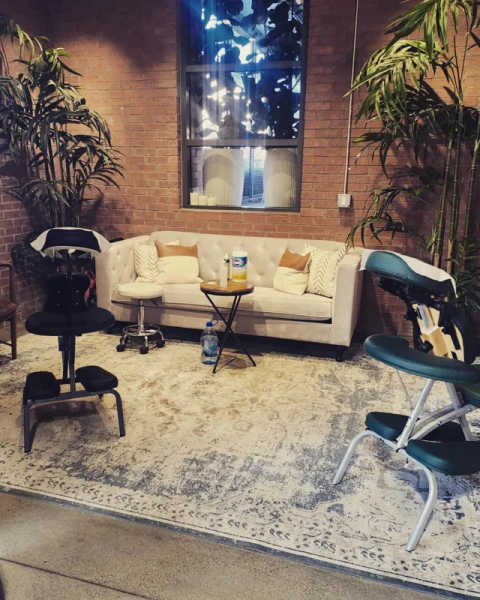
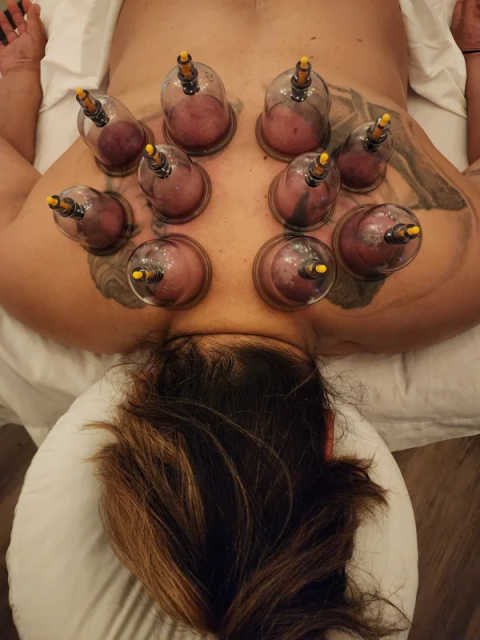
See our work come to life--explore the gallery!


Cupping Therapy Frequently Asked Questions
Answers to common questions about safety, results, and what to expect during cupping sessions.
Cupping therapy uses negative pressure cups to lift and separate soft tissues, enhancing circulation and reducing muscle tension. At Bodiology, our therapists use controlled suction to stimulate healing, decrease pain, and improve mobility. Sessions are tailored to your needs and recovery goals.
Cupping can leave temporary red or purple marks where suction was applied. These marks usually fade within several days to two weeks and indicate increased blood flow to the area. Not all clients bruise; intensity and duration are adjusted to minimize visible markings.
Yes. When performed by trained therapists, cupping is a safe adjunct for athletes. It can reduce muscle tightness, improve circulation, and aid recovery. We screen for contraindications, adapt protocols for sport demands, and combine cupping with manual therapy for best results.
Session needs vary by condition, severity, and goals. Many clients notice improvement after one session, while chronic issues often require 4–6 sessions spaced weekly. Your therapist will assess progress and recommend a personalized plan, adjusting frequency for optimal recovery.
Yes; cupping is not appropriate for certain conditions such as open wounds, severe skin disorders, active infections, deep vein thrombosis, uncontrolled hypertension, or pregnancy without medical clearance. We perform a detailed intake and modify or avoid cupping based on individual health history.
Wear comfortable, loose clothing and arrive hydrated. Avoid applying heavy lotions or oils to the treated area. Inform your therapist about medications, recent injuries, or skin sensitivities. Plan light activity after the session and follow any post-care instructions provided.