Stretching Massage Therapy in Southern Tempe: Types, Benefits & How to Choose
By Bodiology - Therapeutic Massage | August 19, 2026
A lot of people come to me after trying everything for stubborn knots and muscle tension, and one person put it plainly: my cupping method has been “very effective” for their muscle tension and they “always leave feeling so relaxed and happy.” Stretch Therapy in Southern Tempe covers hands-on assisted stretching (including PNF-style contract and release work), targeted recovery sessions, and mobility-focused work designed to improve flexibility, ease chronic tension, and speed athletic recovery. If you want detailed, one-on-one correction, book a 1:1 session. If you want maintenance and a simpler routine, a shorter session on a consistent schedule usually does the trick. In this guide, I’ll break down the main options, what they’re best for, what a visit looks like at my studio near Mill Avenue and the ASU edge, and how to choose a plan that fits real life in Tempe.
Why Southern Tempe keeps searching “stretch therapy” for hips, shoulders, and recovery
Most people don’t look up stretching massage therapy because they’re bored. They do it because something feels stuck. Desk time tends to lock up hip flexors and the low back. Backpacks and long days on campus often show up as neck and shoulder tightness. And runners, lifters, and college athletes usually notice it first in their stride, squat depth, or how long soreness hangs around after training.
Tempe’s desert heat matters too. When you’re dehydrated, tissues often feel “grippy” and crampy, and your recovery can feel slower. Stretch work paired with smart hydration and easy between-visit mobility tends to help you move better without forcing your body into positions it isn’t ready for.
Quick self-check: If you can stretch on your own but the tightness returns fast, it usually means you need help addressing the specific muscle that’s guarding, not just “stretching more.”
2 stretch therapy options I focus on (and who they’re for)
Stretch Therapy for Chronic Pain
This is my gentler, more structured stretching program for bodies that flare up easily. I blend slow, controlled mobility with myofascial release and pain-relief strategies so we’re not yanking on sensitive areas. It’s steady work, and I pay attention to how you respond in the moment so we can build progress without setting you back.
Best for: chronic pain patterns, “everything feels tight, ” post-injury stiffness that needs patience, and people who have trouble relaxing because discomfort is always present.
Assisted Stretching Session
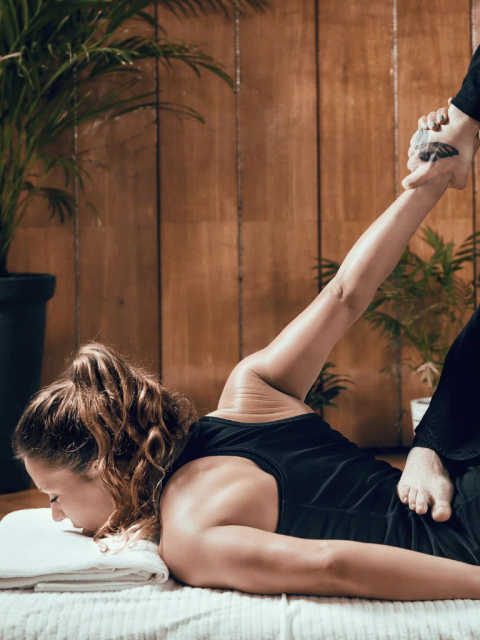
This is a one-on-one session where I do the work with you. I’ll position you, support your joints, and apply assisted stretches to improve flexibility and help your muscles let go. When it makes sense, I’ll use PNF-style contract and release techniques to teach your nervous system that it’s safe to lengthen. It’s great when you know exactly what feels tight, like hips after sitting or shoulders after carrying a heavy bag.
Best for: athletes who want better range of motion, desk-bound hip tightness, backpack-related shoulder strain, and anyone who wants targeted results without guessing at form.
What people actually notice after stretch-focused bodywork
The results I hear about most are simple and real: less tension, fewer “knots, ” and movement that feels easier the next day. I’ve worked with people dealing with piriformis syndrome who told me they woke up “feeling so much better, ” and that it made a “big difference” in yoga and gym time. That’s the sweet spot for stretch therapy when it’s done well. You’re not just looser on the table. You’re moving differently after.
“I woke up the next day feeling so much better. Big difference in my yoga practice and gym time.”
, a recent first-time visitor
I also hear a lot about stress relief. People come in on a tense day and leave “super relaxing” and “recharged.” If you’re training in Tempe’s heat, that recovery piece matters. Muscles that can downshift out of guard mode tend to recover faster, and your next workout feels less like you’re pushing through cement.
How a stretch therapy visit with me usually goes (30 to 90 minutes)
When you come in, we start by talking through what’s bothering you and what you want to be able to do more comfortably. If it’s hips, I’ll ask what sitting looks like for you and what movements feel limited. If it’s shoulders, I’ll ask about backpack, computer, or gym patterns. Then I’ll check a few basic ranges of motion so I’m not guessing.
After that, I get hands-on. I’ll guide you into positions, support the limb, and use assisted stretching and release work to help tissues soften. I keep communication simple and ongoing, especially if you’re dealing with pain. Sessions can be short and focused or longer when you want full-body work. A lot of people like starting with 60 minutes so we have time to address the main issue and still leave you feeling grounded.
Booking in Tempe: pricing ranges, evening options, and commuting notes
If you’re comparing stretch therapy in Tempe, price usually depends on time and how specialized the session is. In our area, you’ll commonly see roughly $50 to $120 for 30 to 60 minutes, and $120 to $180 for 75 to 90 minutes. If you’re planning to come regularly, packages often bring the per-session cost down and make consistency easier.
I’m located in Southern Tempe near the edge of Downtown Tempe by Mill Avenue and the ASU campus, with easy access via Valley Metro Rail and major routes like I-10, US-60, and Loop 202. I also see people commuting in from Chandler, Mesa, Phoenix, Scottsdale, and Guadalupe, especially when they want one place that can handle both recovery work and relaxation.
Tempe heat tip: Drink water before and after your session. Stretch work tends to feel better when your tissues are hydrated, and you’ll usually recover quicker.
Why people stick with my work in Southern Tempe (and bring family)
I’ve been in business for 5 years, and I take a very hands-on, feedback-driven approach. People often tell me I’m “thorough, ” that I “listen, ” and that I know how to “read the body.” I don’t rush past your problem area to do a generic routine. If your hips are the issue, we focus there. If you’re coming in after an accident and your back is flared up, we work in a way that respects that day’s limits.
“I am not letting her go since 2022, monthly or more often.”
, one of our regulars
If you’re new to bodywork and nervous, you’re not alone. I keep the space calm and the communication clear, and I’ll check in so you feel safe and in control the whole time. If you want help picking between assisted stretching and a gentler chronic pain approach, call or email me with what’s going on in your body. I’ll point you to the best starting session so you don’t waste money guessing.
Ready to get specific? Reach me at +14804485280 or bodiologylmt@gmail.com. If you’re commuting, send your general cross streets and I’ll help you plan around I-10, US-60, Loop 202, or the Valley Metro Rail.
Stretch therapy safety: when I’ll suggest PT or a medical check first
Stretch therapy is usually a great fit for tight muscles, overuse patterns, and recovery work. But if you’ve got sharp, untested pain, sudden swelling, numbness or tingling that’s new, a suspected tear, or anything that feels unstable, I want you to get that assessed first. Stretching the wrong thing at the wrong time can slow your recovery.
If you’re already in physical therapy, stretch sessions often pair well with it. Let me know what your PT has you working on so I can support that plan, not compete with it. And if you’re a college athlete or recreational runner, we’ll keep it smart. The goal is better range of motion and easier training, not soreness that derails your week.
How to choose the right stretching massage therapy plan near ASU
If you want the fastest “I can feel that right now” change, start with a 60-minute assisted stretching session focused on the area that’s limiting you most. If your body flares easily or you’ve been dealing with chronic pain for a long time, start gentler and plan for consistency instead of intensity.
- For desk-induced hip tightness: weekly or every-other-week sessions for 3 to 6 visits tends to build lasting change.
- For running recovery in Tempe heat: book 24 to 72 hours after a hard effort, then adjust based on how your legs bounce back.
- For backpack-related shoulders: a focused session plus two simple at-home stretches usually beats doing ten random stretches once.
You can find me at 201 E Southern Ave, suite 105, Tempe, AZ 85282-5138. If you’re in Tempe, Chandler, Mesa, Phoenix, Scottsdale, or Guadalupe and you want a clear recommendation before you book, reach out with your main complaint and what you’ve already tried.